
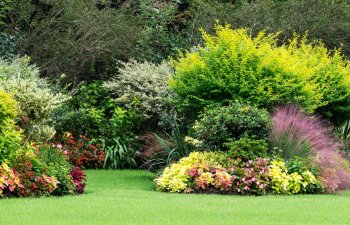
As spring arrives in Mooresville, NC, it’s the perfect time to refresh your outdoor spaces with sustainability in mind. At Maxwell Landscaping, we believe that beautiful landscapes can—and should—benefit both you and the environment. By adopting sustainable landscaping practices, you create eco-friendly, low-maintenance yards that conserve resources, support local wildlife and thrive for years to come.
What is Sustainable Landscaping?
Sustainable landscaping focuses on designing and maintaining outdoor spaces that work harmoniously with nature. This approach reduces water use, minimizes chemical input, increases biodiversity, and enhances soil health. The result is a self-sustaining ecosystem that’s easier to care for and more resilient to the challenges of changing weather.
Key Sustainable Landscaping Tips for Spring
How can Maxwell Landscaping help you design and implement sustainable landscaping practices on your property this spring?
1. Plant Native Species
Choose plants that are naturally adapted to the Mooresville area’s climate and soil. Native species require less water, fertilizer and pest control, and they provide crucial food and habitat for local pollinators like bees and butterflies. Incorporate a mix of native trees, shrubs, perennials and groundcovers for year-round color and interest.
2. Reduce Lawn Areas
Traditional lawns are water-hungry and high-maintenance. Consider replacing some or all of your turf with alternatives such as clover, thyme, wildflower meadows or native grass beds. These options use less water and fertilizer while attracting beneficial insects.
3. Conserve Water
Efficient watering systems are essential for sustainable landscapes. Install drip irrigation or soaker hoses to deliver water directly to plant roots, reducing evaporation and runoff. Harvest rainwater with barrels, and group plants with similar water needs together to maximize efficiency.
4. Build Healthy Soil
Healthy soil is the foundation of a thriving landscape. Use organic compost made from kitchen scraps and yard waste to enrich your soil naturally. This improves water retention, reduces the need for synthetic fertilizers and fosters beneficial microbes.
5. Mulch Beds
Applying a layer of organic mulch (such as shredded bark or wood chips) around your plants helps retain soil moisture, suppress weeds and moderate soil temperature. As mulch breaks down, it adds nutrients back into the soil.
6. Use Sustainable Materials
When building patios, walkways or retaining walls, opt for repurposed or recycled materials like reclaimed wood, salvaged brick or recycled plastic. Not only do these choices reduce waste, but they also add unique character to your landscape.
7. Manage Stormwater
Prevent erosion and water pollution by designing your yard to capture and filter runoff. Rain gardens—shallow, planted depressions—are a beautiful way to absorb stormwater, support pollinators and protect local waterways.
8. Avoid Toxic Chemicals
Instead of relying on synthetic pesticides and herbicides, use Integrated Pest Management (IPM) strategies. Encourage beneficial insects, handpick pests and use natural controls such as neem oil or insecticidal soap. This protects pollinators, pets and people.
9. Practice Grasscycling
Leave lawn clippings on the grass after mowing. They break down quickly, naturally fertilizing your lawn and reducing yard waste.
Sustainable Landscaping Supports Wildlife
Sustainable landscapes provide food, shelter and nesting sites for birds, butterflies and other wildlife. By planting diverse, native species and minimizing chemical use, you help create a thriving backyard ecosystem. Over time, you’ll notice more songbirds, pollinators and beneficial insects enjoying your yard.
Frequently Asked Questions About Sustainable Landscaping
1. What are the best native plants for Mooresville, NC?
Some top choices include Black-Eyed Susan, Purple Coneflower, Eastern Redbud, Carolina Jessamine and Little Bluestem. Maxwell Landscaping can help you select plants suited to your site’s specific conditions.
2. Will sustainable landscaping cost more than traditional landscaping?
While initial costs may be similar or slightly higher, sustainable landscapes require less water, fertilizer and maintenance over time, saving you money in the long run.
3. How can I conserve water in my landscape?
Use drip irrigation, group plants by water needs, mulch beds and collect rainwater with barrels. Native plants are also naturally drought-tolerant once established.
4. Is composting difficult to start at home?
Not at all! Compost bins come in many sizes. By composting kitchen scraps and yard waste, you reduce landfill waste and create nutrient-rich soil.
5. Can Maxwell Landscaping design and install a sustainable landscape for me?
Yes! We specialize in creating beautiful, sustainable outdoor spaces tailored to your needs and preferences. From native plant selection to eco-friendly hardscapes, we handle it all.
Ready for a Greener Yard This Spring?
Maxwell Landscaping is proud to help homeowners in Mooresville, NC, transform their yards with sustainable, eco-friendly landscaping solutions. Whether you want to reduce maintenance, support wildlife or simply create a beautiful, resilient garden, our experienced team can make it happen.
Contact Maxwell Landscaping today to schedule a consultation and start your journey toward a greener, more sustainable landscape this spring!
Posted on behalf of
5501 Washington (WA) Woodard Drive
Maiden, NC 28650
Phone: (704) 995-8165
Email: maxwell.hardscapes@gmail.com
Mon. - Fri. 8:00 AM – 4:00 PM